Playing online, we get used to having our tiles neatly sorted: characters, circles, bamboo, then honors, with each numbered suit in ascending order.
Arranging your hand is, first of all, about making your hand easy for you to read. There is nothing wrong with that approach. But moving from a screen to a physical table adds another consideration: the other players cannot see your tile faces, but they can see where you take a tile from.
This article is not a guide to watching everyone else’s hands all the time. The aim is to help your own arrangement reveal less unnecessary information while keeping your tiles easy to read and your actions smooth.
This article discusses riichi mahjong. Tile positions provide only supplementary clues.
1. Exposing more than a discard
Suppose it is Turn 6. The player opposite you discards from their hand, leaving this gap:
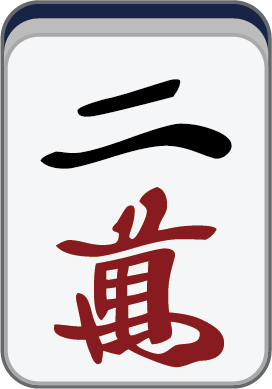
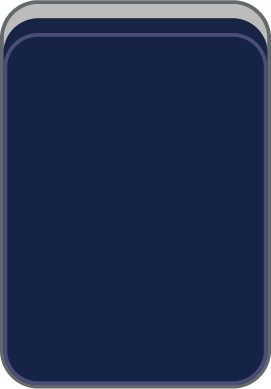

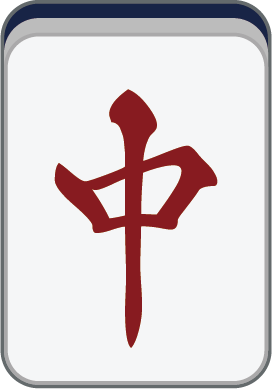
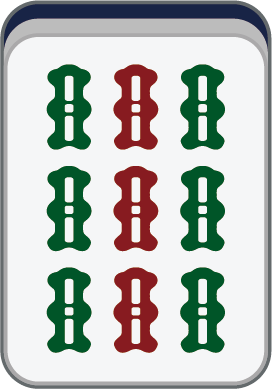
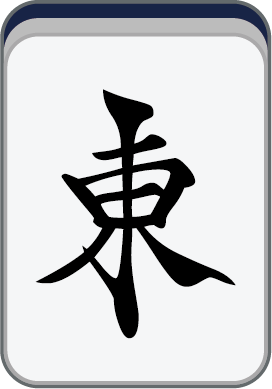
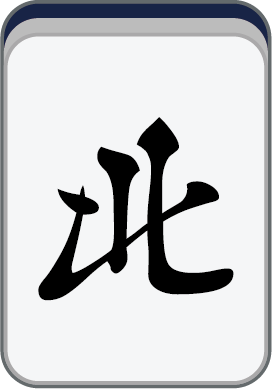
Even though you can only see the tile backs, you may notice an isolated tile at one end. If you already know that this player sorts their tiles neatly, the tile left beside the may readily suggest .
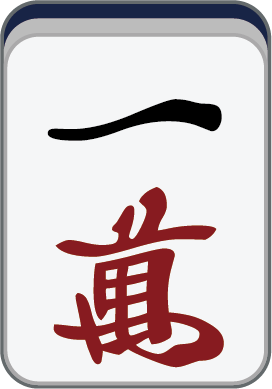
Of course, it could also be an honor or some other isolated tile. My point is that the position a discard comes from can also reveal information about the hand. You need not use that clue yourself, but you can avoid giving away information unintentionally.
2. Keep blocks that may change in the middle
Taking tiles from the edge of a hand tends to be more noticeable than taking them from the middle.
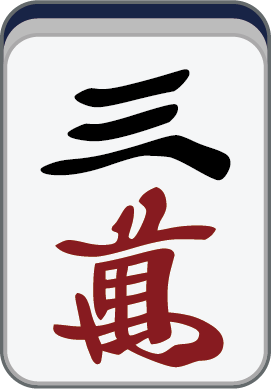
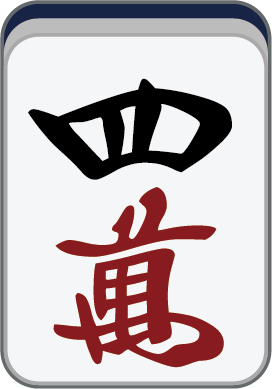
For example, a player has at the far left and uses them to chi the discarded by the player on their left. If they always sort their tiles in strict order, someone might wonder: have they used up all their character tiles? Are they now less likely to be waiting in that suit?
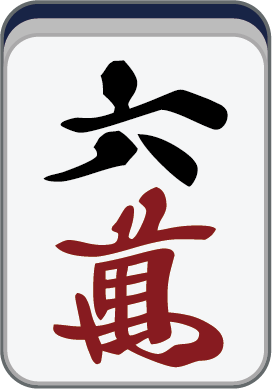
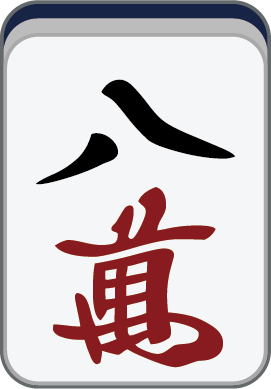
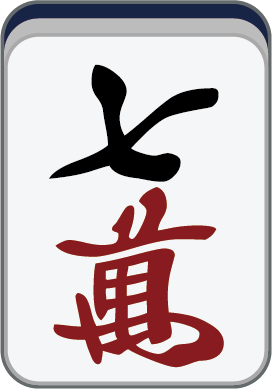
That inference could certainly be wrong. If they still have at the other end, a final wait on is perfectly plausible.
One useful habit is to put relatively stable blocks at the ends and leave blocks you may still need to handle in the middle. A stable block here might be a completed set, an incomplete sequence you do not intend to break up, an honor pair, and so on.
Incomplete sequences you plan to call with, pairs you may break up, and overlapping shapes such as or are more likely to change. Keeping them in the middle makes it harder for your actions to reveal where a suit begins or ends.
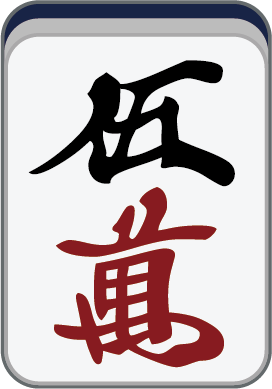
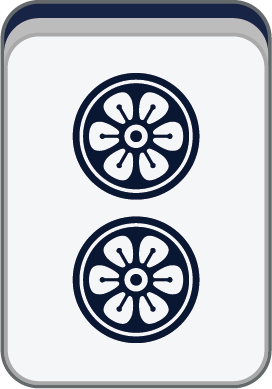
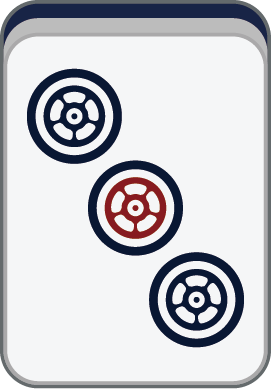
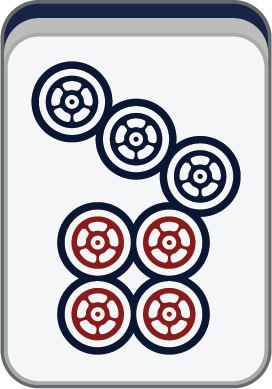
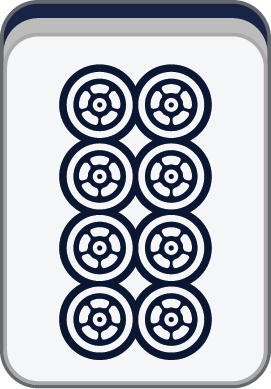
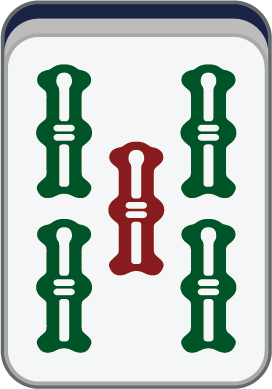
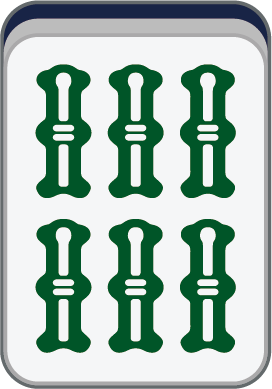
Tiles of the same suit do not all have to stay together, either. With , for instance, you can treat and as separate blocks and place them apart. Each block remains easy to read. Here, we will call this arrangement by blocks, with order maintained within each one, partial sorting.
Even a completed set can slide: with , you might draw and discard . Whether you intend to call with an incomplete sequence can also change as the hand develops, so adjust your arrangement accordingly.
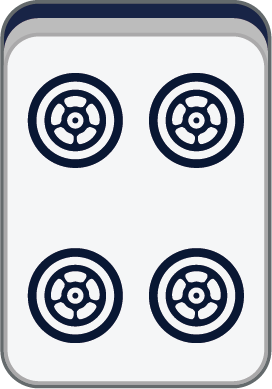
Of course, partial sorting does not mean scrambling everything and then spending a long time sorting it when you win. Keep the structure easy to recognize, and make any necessary adjustments before revealing it so everyone can check it. Do not keep the table waiting between declaring a win and laying down your hand.
In a streamed game with a hand camera, consider whether viewers can follow your tiles as well. Keeping the hand clear to yourself, and clear to everyone when revealed, is usually enough before pursuing smaller gains in concealing positional clues.
3. A karagiri tile need not go back in the same place
Karagiri (空切り) means drawing a tile and discarding an identical tile already in your hand. The hand has not changed, but the discard still comes from the hand rather than directly from the draw.
A karagiri can make tiles that had temporarily passed safely since your last discard from the hand look dangerous again. Sometimes it simply means drawing a red five and replacing the ordinary five.
Pay attention to where the retained tile goes. If you always insert it into precisely the gap you just created, the other players may find it easier to connect the two actions. You can leave it at the end of the block, or elsewhere within the same set, without restoring strict ascending order.
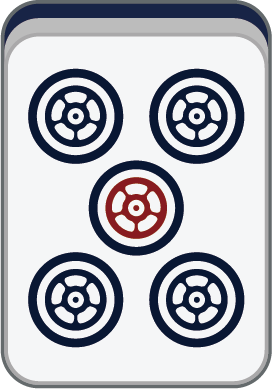
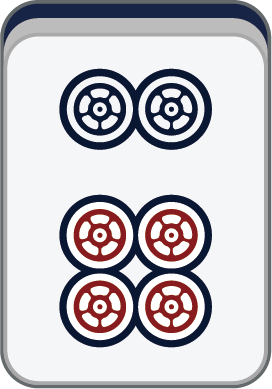
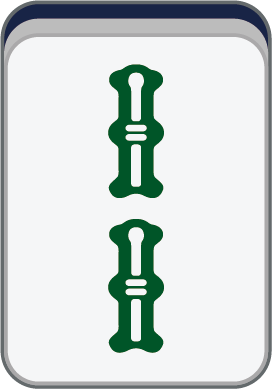
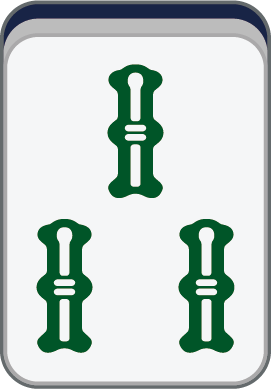
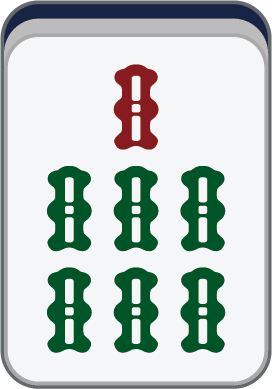
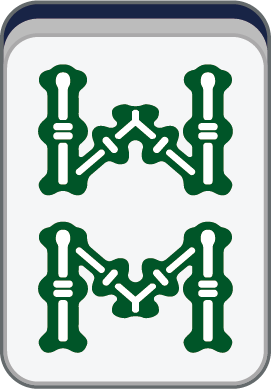
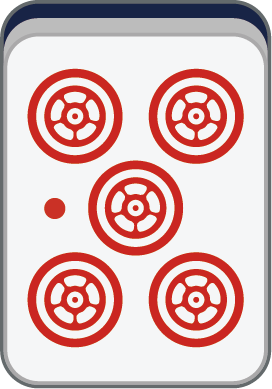
is not in ascending order, but you can still readily recognize the sequence.
4. Leave the tile that completed tenpai where it is
The Japanese term irime (入り目) refers to the tile drawn when the hand becomes ready. For example, you have two incomplete sequences, draw a tile that completes one of them, discard the surplus tile, and declare riichi. The tile that just completed the sequence is the irime discussed here.
If you immediately insert it into a block after declaring riichi, its destination may help an attentive opponent guess which part of the hand just completed. That still does not prove that nearby tiles in that suit are safe, but there is no need to make the process especially clear.
A simple habit is to leave the irime at the right of your hand until you need to reveal it after a win or an exhaustive draw, then arrange it for easy checking.
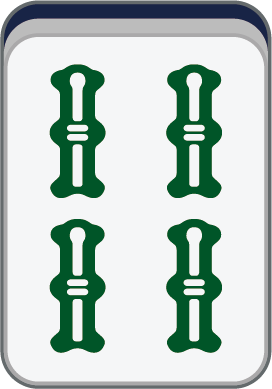
5. Calling with an aryanmen shape
Now let us turn from discards to calls. A call usually involves taking two tiles from your hand. If other tiles sit between them, the pattern of that movement can reveal extra information.
Consider this hand: . The player on your left discards . You plan to take for a chi, then discard to reach tenpai.
Here is the same action from the opposite player’s perspective:
From that side of the table, there is an extra tile within your closed-wait shape. Your opponent might wonder whether it came from an overlapping shape such as . Even if you use the other , there are two intervening tiles, making the action just as noticeable.
, a connected shape containing a pair at one end, is often called an aryanmen shape. It offers several chi and pon possibilities. Before arranging it, consider how you intend to use those four tiles. The following two arrangements emphasize different options:
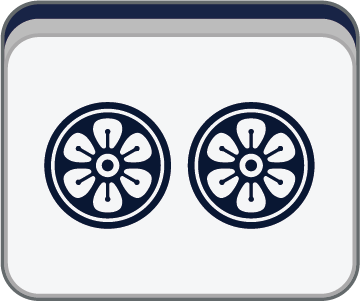
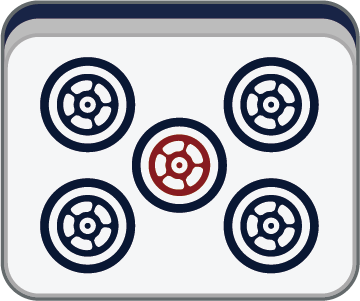
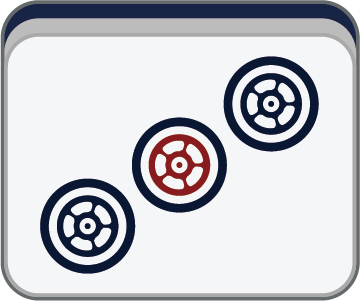
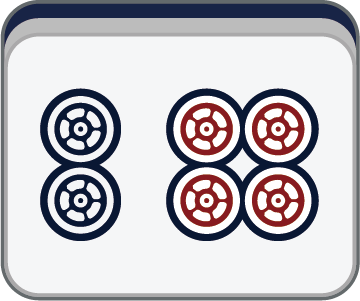
keeps the two together, preserving the option to take an adjacent pair for pon. A chi on , , or also uses two adjacent tiles. This arrangement is convenient if you already have a pair elsewhere for the head and want to preserve the possibility of calling pon on .
also accommodates a chi on : taking the middle leaves the pair. Consider this arrangement if you lack a head elsewhere. A chi on , , or likewise uses adjacent tiles.
Another arrangement is . It also keeps together for the important chi on . Unlike the first two arrangements, however, it does not also accommodate an adjacent pair for pon on or adjacent for chi on .
To sum up: keep the incomplete sequence you plan to call with together, without other tiles between the two.
6. Kuinobashi
Kuinobashi (食い延ばし/食い伸ばし) refers here to improving an existing wait by calling chi.
For example, has a closed wait on . Although the hand is already ready, calling chi on , , or from the player on your left can turn it into a two-sided wait.
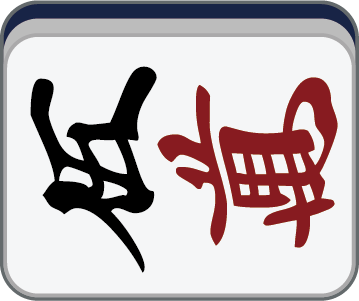
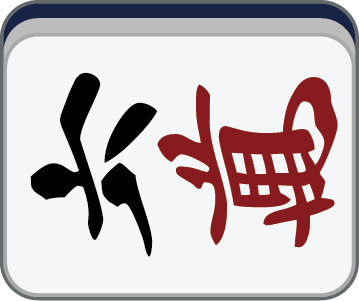
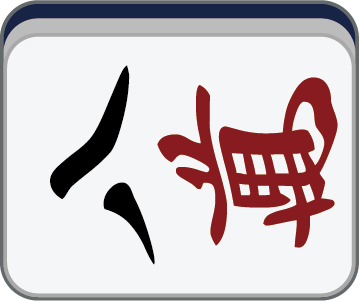
Pay particular attention to the calls on and : you take from one end, then reach across to discard . To someone familiar with kuinobashi shapes, that distance can sometimes suggest the remaining .
When preparing for this change, you can therefore place as a separate block, for example in the order . Taking and discarding will then reveal less information.
7. Red and ordinary fives
Tile placement also affects which five you take. When a block contains both a red five and an ordinary five, you will usually want to use the ordinary five in the exposed set and keep the red five concealed. You can arrange them in advance with that in mind.
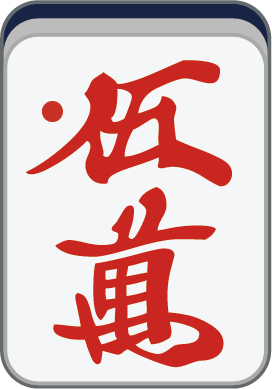
can become : the ordinary you plan to use together are adjacent, with the red five at the end. For , consider or , depending on which combination you are more likely to take next.
Decide which two tiles you intend to take, then place them next to each other.
8. An advanced example
Finally, let us look at a specific arrangement. This is a broadcast image of Kazuma Ishii’s hand from the 2025–26 M.LEAGUE season:
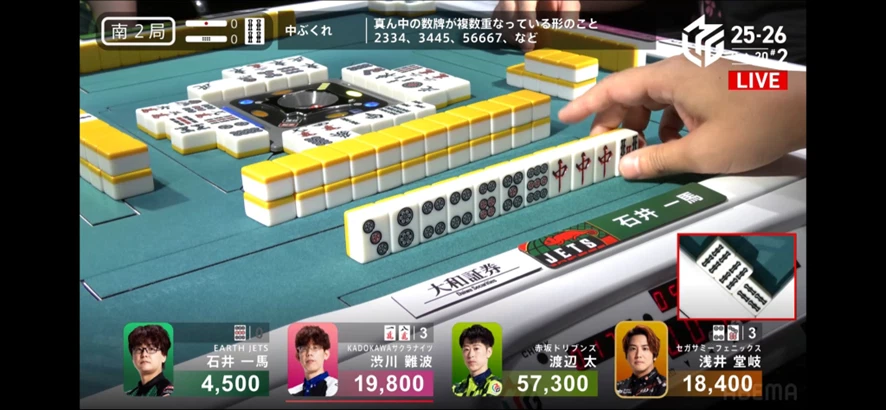
The hand has an exposed pon of the dora , concealed , and a single-tile wait on . The circle tiles alone are , but his actual arrangement is .
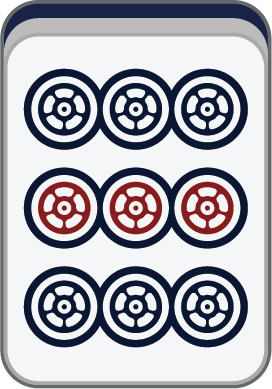
In this arrangement, each of the four incomplete sequences—, , , and —consists of adjacent tiles. This accommodates not only the common chi on or , but also the changes available by calling or .
All four calls are followed by discarding :
- Chi on , take , leave , and wait on .
- Chi on , take , leave , and wait on .
- Chi on , take to form , leave , and wait on .
- Chi on , take to form , leave , and wait on .
In all four cases, the two tiles taken are adjacent. In ascending order, , other tiles can easily sit between the two you need for chi on or .
Wrapping it up
Put stable blocks at the ends, blocks that may change in the middle, and the tiles you plan to call with next to each other. This makes them easier to take while reducing the information you reveal unintentionally.
Keep your hand easy to read during play. When revealing it after a win or an exhaustive draw, make any necessary adjustments so the other players can check it. Start with familiar shapes; you do not need to rearrange the whole hand every turn.